Best Crusted Port
A blend of wines from multiple vintages, bottled unfiltered and aged in bottle to develop a sediment crust. Crusted port offers stage port-like character at a more accessible price.
Crusted port is one of the best-kept secrets in the port wine world — a style that delivers an experience remarkably close to vintage port at a fraction of the price. The name refers to the 'crust' of sediment that forms on the inside of the bottle during aging, a natural result of bottling the wine unfiltered. This is a wine for enthusiasts who appreciate tradition, ritual, and the reward of patience.
Unlike vintage port, which comes from a single declared vintage, crusted port is a blend of wines from two or more harvest years, selected and assembled by the shipper to create a wine of depth and complexity. After blending, the wine is bottled without filtration and given a bottling date on the label (not a vintage date). From this point, the wine ages in bottle much like vintage port, developing complexity and throwing sediment as it matures. Most crusted ports are ready to drink after about three to five years of bottle aging, though the best examples will continue to improve for a decade or more.
The flavor profile of crusted port sits firmly in the red port spectrum: concentrated dark fruit, chocolate, spice, and firm but well-integrated tannins. Because the wines are unfiltered and bottle-aged, they develop a richness and complexity that filtered ruby and LBV ports simply cannot match. The tannin structure and depth of a well-aged crusted port can genuinely approach that of a young vintage port, making it an extraordinary value proposition for serious port lovers.
Decanting is essential for crusted port, just as it is for vintage port. Stand the bottle upright for at least 24 hours before serving, then carefully pour into a decanter, watching for the first wisps of sediment to appear at the neck and stopping at that point. This ritual of preparation is part of what makes crusted port such a rewarding experience — there is a sense of occasion and ceremony that elevates the drinking experience beyond the liquid itself. For anyone who loves the idea of vintage port but wants to explore at a gentler price point, crusted port is the ideal bridge.
Serving TemperatureServe at 16–18°C (61–64°F) after careful decanting. Stand the bottle upright for 24 hours before serving. Decant slowly into a clean decanter, stopping when sediment reaches the neck. Allow the wine 30 minutes to an hour of air in the decanter before serving. Use generous glasses that allow the aromas to open up.
Best ForVintage port alternative, Value-conscious collectors, Cheese course, After dinner, Port ritual enthusiasts
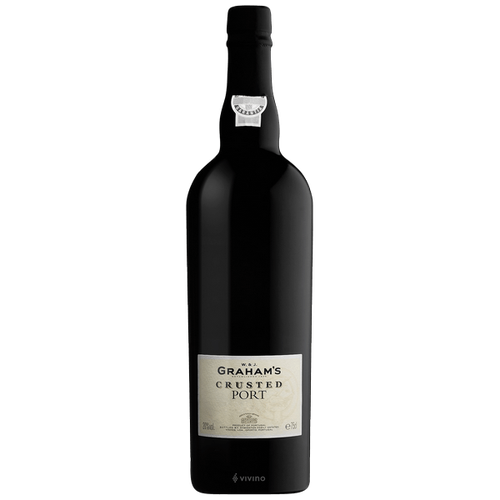
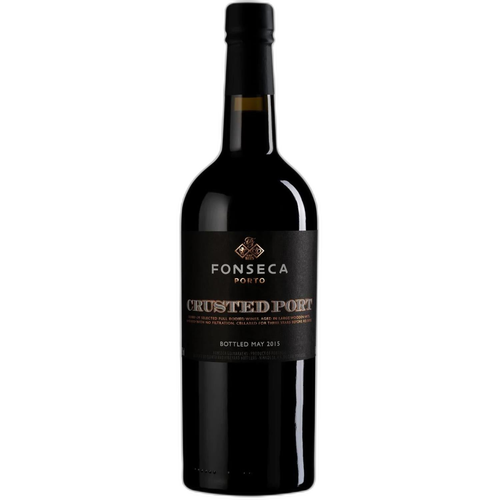
Our Top 3 Crusted Port Picks
3 wines