How to Drink Port Wine: A Complete Guide
Everything you need to know about serving, pouring, and enjoying port wine, from choosing the right glass to finding the perfect serving temperature for every style.
The Right Glass for Port Wine
The glass you choose for port wine makes a genuine difference to your experience. While any small wine glass will do in a pinch, a proper port glass or copita concentrates the wine's complex aromas beautifully, directing them toward your nose as you sip. Port glasses hold about 6 to 8 ounces and are typically filled only one-third to one-half full, leaving ample room for the aromas to develop in the bowl.
For aged tawny port like Graham's 20 Year Old Tawny or Taylor's 30 Year Old Tawny, a tulip-shaped glass with a slightly narrower rim works best, focusing the delicate nutty and caramel aromas. For younger ruby port or LBV, a slightly more open glass allows the bold fruit aromas to breathe. If you drink port regularly, investing in a set of dedicated port glasses is well worth the modest cost.
Serving Temperature Matters
One of the most common mistakes with port wine is serving it too warm. Different styles have different ideal temperatures:
- Ruby port and LBV: 14-16°C (57-61°F), slightly cooler than room temperature
- Tawny port (10, 20, 30, 40 Year Old): 12-14°C (54-57°F), lightly chilled
- Vintage port: 16-18°C (61-64°F), cool room temperature
- White port: 6-10°C (43-50°F), well chilled
- Rosé port: 4-8°C (39-46°F), cold from the refrigerator
A quick way to achieve the right temperature: place the bottle in the refrigerator for 30 minutes before serving ruby or tawny, 15 minutes for vintage port, or serve white and rosé straight from the fridge. In summer, a slightly colder serve is perfectly acceptable.
When to Drink Port
Traditionally, port is served after dinner as a digestif, often alongside cheese, nuts, or chocolate. This remains one of the finest ways to enjoy it, and there is nothing quite like a glass of Dow's 20 Year Old Tawny with a wedge of Stilton to close out an evening. However, modern drinking habits have expanded port's role considerably.
White port and rosé port make outstanding aperitifs, served chilled before dinner or as the base for refreshing cocktails. A dry white port with tonic water over ice — the famous Porto Tonico — is a superb way to open any meal. Ruby port and LBV work beautifully with dessert courses, particularly anything involving dark chocolate, berries, or caramel.
Port Wine With Food
Port's natural sweetness and intensity make it a surprisingly versatile food partner. The classic pairing is port and cheese: blue cheeses like Stilton and Roquefort are legendary matches for tawny and vintage port, while aged hard cheeses like Parmigiano-Reggiano pair wonderfully with colheita and older tawnies.
Dark chocolate with a cocoa content of 55 to 70 percent is another natural partner, particularly with ruby port and LBV. Taylor's LBV with a rich chocolate mousse is a combination that rewards exploration. Nuts — especially walnuts, almonds, and pecans — complement tawny port beautifully, and dried fruits like figs and dates echo the flavors found in older tawnies.
Port Wine Without Food
Port is equally satisfying enjoyed on its own as a contemplative drink. A glass of fine aged tawny after dinner, sipped slowly without accompaniment, is one of wine's great simple pleasures. The complexity of a wine like Graham's 40 Year Old Tawny deserves your full attention, and sometimes food can actually distract from the wine's nuances. Do not feel obligated to serve food with port — the wine is more than capable of standing alone.
How Much to Pour
A standard port pour is smaller than a table wine pour: typically 60 to 75ml (about 2 to 2.5 ounces), compared to the 150ml standard for still wine. This smaller serving reflects port's higher alcohol content (typically 19-22% ABV) and richer concentration. A standard 750ml bottle of port yields about 10 to 12 servings, making even premium bottles relatively affordable on a per-glass basis.
Featured Wines
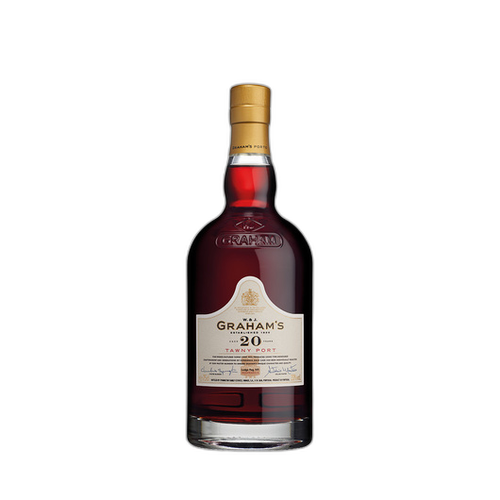 Tawny
TawnyGraham's 20 Year Old Tawny Port
The quintessential 20-year tawny, balancing Graham's signature richness with two decades of layered, nutty complexity.
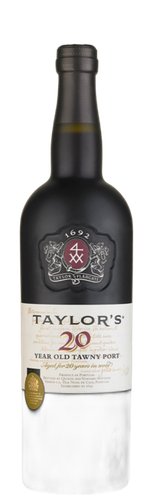 Tawny
TawnyTaylor's 20 Year Old Tawny Port
Taylor's house signature — that distinctive dry elegance — elevates this 20-year tawny into a class of rare refinement.
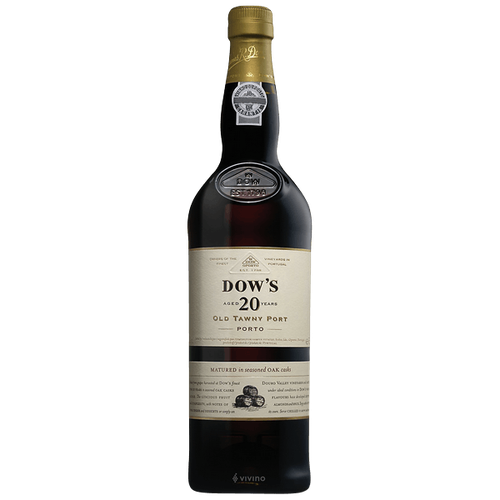 Tawny
TawnyDow's 20 Year Old Tawny Port
The driest of the great 20-year tawnies, offering a sophisticated alternative for those who find most ports too sweet.