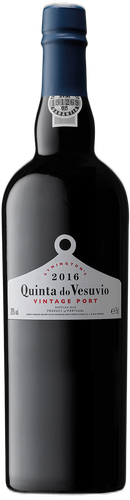
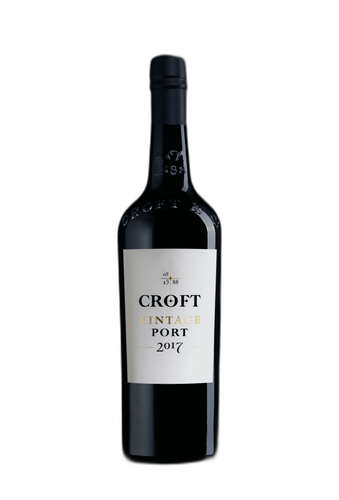
Best Vintage Port
Declared only in exceptional years, vintage (vintage) port represents the pinnacle of port winemaking. These powerful wines need decades of cellaring to reach their full potential.
Vintage port stands at the absolute summit of the port wine hierarchy. Declared only in the finest years — typically three or four times per decade — these wines represent the ultimate expression of a single harvest from the Douro Valley. The decision to declare a vintage is one of the most significant in the port trade, made independently by each house based on their assessment of the year's quality.
The production of vintage port follows the traditional methods that have defined the style for centuries. The finest grapes from the best vineyards, or quintas, are selected and often still foot-trodden in granite lagares to extract maximum color, tannin, and flavor. After fortification with grape spirit to arrest fermentation, the wine spends two years in large oak vats or casks before being bottled unfiltered. It is in the bottle that the real magic happens, as the wine undergoes decades of slow transformation.
Young vintage port is intensely powerful: deep purple-black in color, with concentrated flavors of blackcurrant, black cherry, dark chocolate, and violets, supported by firm, grippy tannins. Over 15 to 30 years of bottle aging, these primary fruit flavors evolve into an extraordinary tapestry of dried fruit, leather, tobacco, cedar, and spice, while the tannins soften to a silky, seamless texture. The finest wines can continue to develop and improve for 50 years or more.
Because vintage port is bottled unfiltered, it throws a heavy sediment (known as a crust) during aging and must be carefully decanted before serving. The ritual of decanting a bottle of fine aged port is one of wine's great pleasures. Stand the bottle upright for 24 to 48 hours before serving, then slowly pour into a decanter, stopping when sediment reaches the neck. Serve at cool room temperature in generous glasses that allow the complex aromas to develop. A great aged vintage port with Stilton cheese is one of the truly transcendent food-and-wine experiences.
Serving TemperatureServe at 16–18°C (61–64°F), slightly below room temperature. Always decant: stand the bottle upright 24–48 hours before serving, then carefully pour into a decanter, stopping when sediment appears at the neck. Young vintage port benefits from 2–3 hours of air after decanting; mature bottles should be consumed within a few hours of decanting.
Best ForSpecial occasions, Milestone celebrations, Wine cellar investment, Stilton cheese, Dark chocolate, After-dinner contemplation
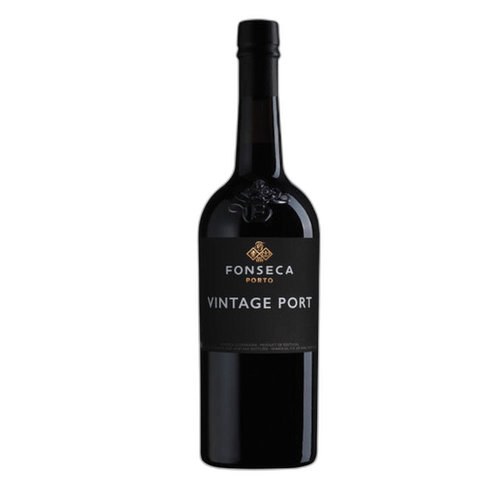
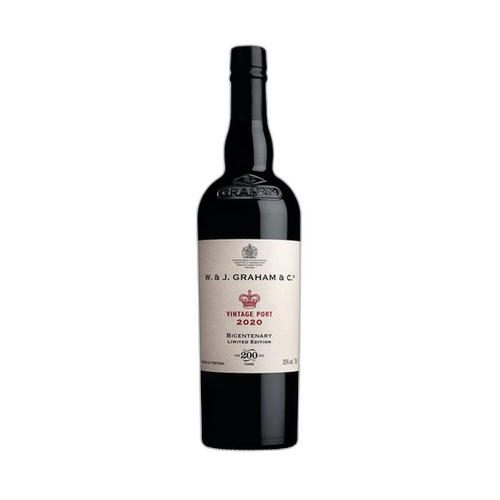
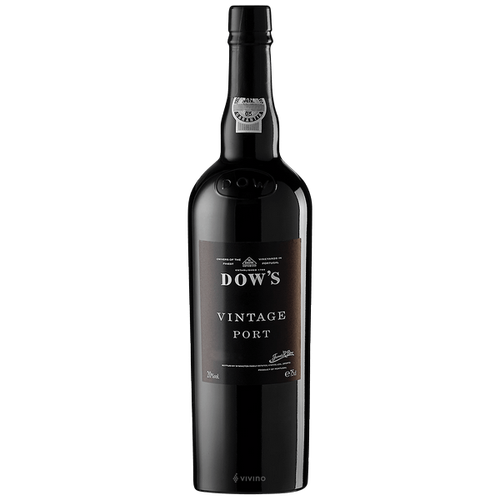
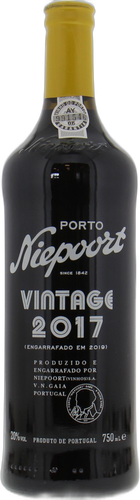
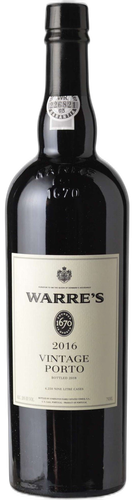
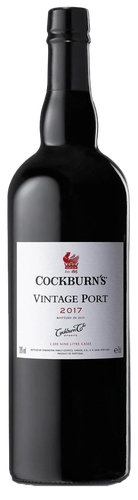
Our Top 10 Vintage Port Picks
10 wines