Port Wine for Beginners: Everything You Need to Know
New to port wine? This friendly introduction covers every style, how port is made, what to try first, and how to build your palate from beginner to enthusiast.
What Is Port Wine?
Port wine is a fortified wine produced exclusively in Portugal's Douro Valley, one of the world's oldest demarcated wine regions. What makes port different from regular wine is the addition of grape spirit (aguardente) during fermentation, which stops the yeast from converting all the sugar into alcohol. The result is a wine that is both sweeter and stronger than table wine, typically 19 to 22 percent alcohol by volume, with rich, concentrated flavors.
Port wine has been produced for over 300 years, with a history deeply entwined with British trade. The major port houses — Taylor's, Graham's, Dow's, Warre's, Fonseca, Cockburn's, Sandeman — were largely founded by British and Scottish merchants, and the wine was traditionally shipped from the lodges of Vila Nova de Gaia, across the river from Porto, to England. Today, port is enjoyed worldwide, though it remains one of wine's most storied and tradition-rich categories.
The Main Styles of Port
Ruby Port
The most accessible starting point. Ruby port is young, fruity, and vibrant, with flavors of ripe berries and chocolate. It spends minimal time in oak and is released ready to drink. A Reserve Ruby offers a step up in quality and complexity. This is the style to try first if you have never had port before.
Tawny Port
Aged in small oak barrels, tawny port develops nutty, caramel, and dried fruit flavors with a warm amber color. Available in 10, 20, 30, and 40 Year Old designations, each representing the average age of the blend. Start with a 10 Year Old like Taylor's 10 Year Old Tawny or Graham's 10 Year Old Tawny to discover whether you prefer the oxidative tawny style.
LBV (Late Bottled Vintage)
A single-vintage wine aged 4 to 6 years in barrel. LBV offers serious port character — concentrated fruit, structure, and depth — at a very reasonable price. Most are filtered and ready to drink from the bottle, making them hassle-free. LBV is often called the best value in the port world.
Vintage Port
The pinnacle. Declared only in exceptional years, vintage port is bottled young and aged for decades in the bottle. It requires patience (15 to 30 years of aging) and decanting, but the reward is one of wine's most profound experiences. This is the style to aspire to as your palate develops.
White and Rosé Port
White port, made from white grapes, ranges from dry to sweet and makes a wonderful aperitif, especially as a Porto Tonico (with tonic water over ice). Rosé port, introduced in 2008, is fresh, fruity, and perfect for summer. Both are lighter and more casual than the red styles.
Where to Start: Your First Three Bottles
If you are new to port, these three bottles will give you a comprehensive introduction to the major styles without breaking the bank:
- A Reserve Ruby — to experience port's bold, fruity character at its most accessible
- A 10 Year Old Tawny like Graham's 10 Year Old Tawny — to discover the nutty, caramel complexity that barrel aging brings
- An LBV — to taste single-vintage character and understand what serious port is about
Taste them side by side if possible. You will quickly discover whether you lean toward the fresh fruit of ruby, the oxidative elegance of tawny, or the structured depth of LBV.
Building Your Palate
Once you know which style you prefer, the next step is to explore up the quality ladder. If you loved the 10 Year Old Tawny, try a 20 Year Old like Dow's 20 Year Old Tawny or Sandeman 20 Year Old Tawny to experience how extra aging adds depth. If LBV captured your imagination, you might be ready to try a young stage port or an unfiltered traditional LBV.
Do not rush to the most expensive bottles. The joy of port wine is that outstanding quality exists at every price point, and the journey of discovery is one of the most rewarding in the wine world.
Common Beginner Mistakes to Avoid
- Serving too warm: Port is not a spirit. Chill it slightly before serving, especially tawny and white styles.
- Pouring too much: Port is richer and stronger than table wine. Pour 60-75ml servings and savor slowly.
- Ignoring tawny: Many beginners only try ruby port and miss the extraordinary world of aged tawnies.
- Opening vintage port too young: If you buy a bottle of vintage port, be prepared to wait 15+ years for it to mature. If you want port tonight, choose LBV or tawny instead.
Featured Wines
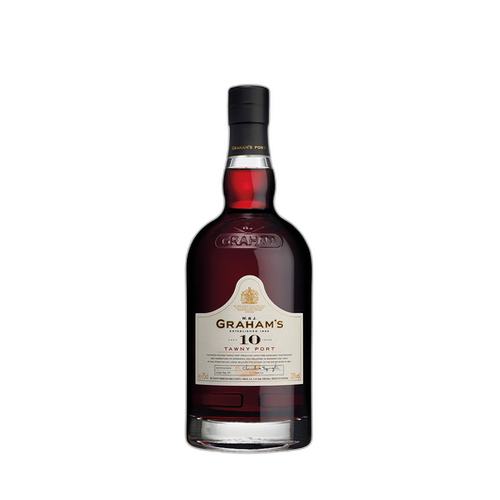 Tawny
TawnyGraham's 10 Year Old Tawny Port
The best gateway into aged tawny port, delivering complexity and balance that punch well above its price.
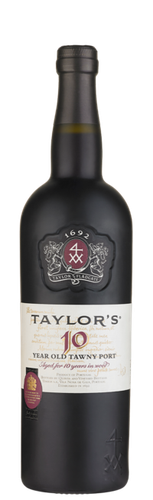 Tawny
TawnyTaylor's 10 Year Old Tawny Port
Taylor's signature dry elegance makes this the most structured and food-friendly 10-year tawny on the market.
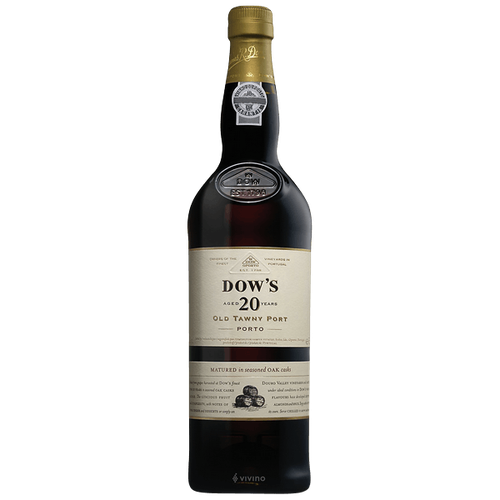 Tawny
TawnyDow's 20 Year Old Tawny Port
The driest of the great 20-year tawnies, offering a sophisticated alternative for those who find most ports too sweet.