Storing and Decanting Port Wine: Everything You Need to Know
Learn how to store port wine properly for short and long-term aging, when and how to decant, and how long each style lasts after opening.
Storing Port Wine
Proper storage is essential for getting the most from your port wine, whether you are keeping a bottle for next week or laying down a stage port for decades. The fundamental requirements are the same as for all fine wine: a cool, consistent temperature; darkness; adequate humidity; and freedom from vibration. Getting these right ensures your port will develop as the producer intended.
Temperature
The ideal storage temperature for port wine is 12 to 15°C (54 to 59°F). Consistency is more important than hitting an exact number — a cellar that holds steady at 16°C is better than one that fluctuates between 10°C and 20°C. Heat accelerates aging, so wines stored in warm environments will mature faster and potentially lose freshness and complexity. Never store port above 20°C for extended periods.
Position
This depends on the closure:
- Driven cork (T-shaped stopper): Used for ruby, tawny, white, rosé, and most LBV. These bottles can be stored upright because the stopper is designed for short to medium-term storage and the wine will not benefit from further aging.
- Long cork: Used for vintage port, unfiltered LBV, and crusted port. These bottles must be stored on their sides to keep the cork moist and prevent it from drying out and letting air in. This is critical for wines intended for decades of aging.
Duration by Style
- Ruby and rosé port: Drink within 1 to 2 years of purchase. These wines do not improve with age.
- Tawny port: Drink within 1 to 2 years. The aging has already happened in barrel; further bottle time adds nothing.
- LBV (filtered): Drink within 2 to 3 years. Designed to be enjoyed on release.
- LBV (unfiltered): Can improve for 5 to 10 years in good storage conditions.
- Vintage port: 15 to 50+ years, depending on vintage quality and storage. This is one of the longest-lived wines in the world.
- Crusted port: 5 to 15 years from the bottling date.
- Colheita: Drink within 1 to 2 years of bottling. Like tawny, the aging is done in barrel.
When to Decant Port
Not all port needs decanting. The rule is simple: if the wine is bottled unfiltered and throws sediment, it must be decanted. If it is filtered, pour straight from the bottle.
- Must decant: Vintage port, crusted port, unfiltered/traditional LBV
- No decanting needed: Tawny port, ruby port, white port, rosé port, filtered LBV, colheita
How to Decant Port: Step by Step
Decanting port is a simple but rewarding ritual. Here is the proper method:
- Step 1 — Stand upright: Place the bottle upright for 24 to 48 hours before you plan to serve it. This allows the sediment to settle to the bottom of the bottle.
- Step 2 — Prepare your decanter: Rinse a clean decanter with a small amount of port or water to remove any dust or residue. Place a candle or small flashlight on the table.
- Step 3 — Open carefully: Remove the capsule and extract the cork gently. Old corks can be fragile; if the cork breaks, use a two-pronged cork puller (ah-so) to extract the remainder.
- Step 4 — Pour slowly: Hold the bottle over the light source and pour in a single, slow, steady stream into the decanter. Watch the wine as it passes through the neck of the bottle.
- Step 5 — Stop at sediment: As soon as you see the first wisps of cloudy sediment reaching the neck of the bottle, stop pouring. You may lose an ounce or two of wine, but the remaining clear wine will be free of gritty sediment.
The entire process should take about two minutes. A fine mesh strainer or muslin cloth over the decanter opening can catch any stray particles, but with practice you will not need one.
How Long Before Serving?
After decanting, different wines benefit from different amounts of air time:
- Young vintage port (under 15 years): Benefits from 2 to 3 hours of air in the decanter, which helps soften tannins and open up aromas.
- Mature vintage port (15-30 years): 1 to 2 hours is usually sufficient. The wine is more delicate and too much air can cause it to fade.
- Very old vintage port (30+ years): Serve within 30 to 60 minutes of decanting. These wines are fragile and can deteriorate rapidly with extended air exposure.
- Crusted port: 30 to 60 minutes is typically ideal.
After Opening: Shelf Life by Style
Once opened, different port styles have very different shelf lives. Store all opened port in a cool, dark place, recorked or stoppered:
- Ruby port: 2 to 3 weeks
- Reserve ruby: 2 to 3 weeks
- 10 Year Old Tawny: 4 to 6 weeks
- 20 Year Old Tawny: 3 to 4 weeks (e.g., Graham's 20 Year Old Tawny)
- 30 and 40 Year Old Tawny: 2 to 4 weeks
- LBV (filtered): 2 to 3 weeks
- Vintage port (decanted): 1 to 2 days maximum. Consume the same day if possible.
- White port: 1 to 2 weeks (refrigerate)
- Rosé port: 1 to 2 weeks (refrigerate)
- Colheita: 3 to 4 weeks
As a general principle, wines aged oxidatively (tawny, colheita) tolerate air much better than wines aged reductively (vintage port, ruby). If you open a bottle of stage port, plan to share it with friends that evening rather than trying to stretch it over weeks.
Featured Wines
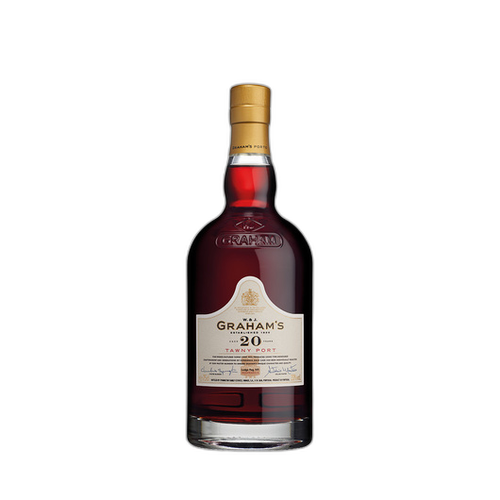 Tawny
TawnyGraham's 20 Year Old Tawny Port
The quintessential 20-year tawny, balancing Graham's signature richness with two decades of layered, nutty complexity.
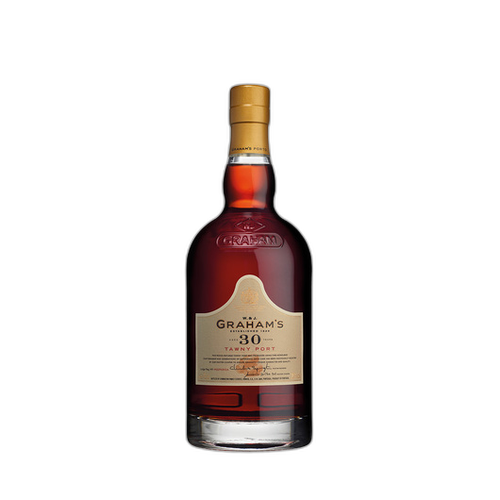 Tawny
TawnyGraham's 30 Year Old Tawny Port
Three decades of cask aging distilled into a glass of extraordinary depth, where every sip reveals something new.
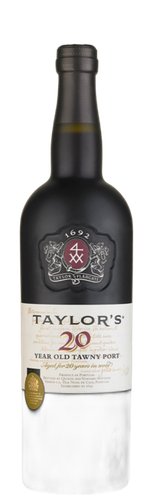 Tawny
TawnyTaylor's 20 Year Old Tawny Port
Taylor's house signature — that distinctive dry elegance — elevates this 20-year tawny into a class of rare refinement.