Tawny vs Ruby Port: What Is the Difference?
A head-to-head comparison of port wine's two most popular styles. Learn how tawny and ruby port differ in production, taste, serving, and when to choose each one.
The Fundamental Difference
Tawny and ruby port start from the same raw material — red grapes grown in Portugal's Douro Valley, fortified with grape spirit during fermentation — but they diverge dramatically in how they are aged. This single difference in aging method creates two profoundly different wines. Ruby port is aged briefly in large vessels that minimize oxygen contact, preserving fresh fruit character. Tawny port is aged for extended periods in small oak barrels (pipes) that allow gradual oxidation, transforming the wine's color, aroma, and flavor over years or decades.
How They Are Made
Ruby Port Production
After fortification, ruby port is transferred to large oak vats (balseiros) holding 10,000 liters or more, or to concrete or stainless steel tanks. These large vessels expose very little wine surface area to oxygen relative to the volume, which preserves the wine's youthful fruit character and deep crimson color. Ruby port typically spends two to three years in these vessels before filtering and bottling. Reserve rubies may spend slightly longer.
Tawny Port Production
Tawny port follows a completely different path. After fortification, the wine is placed in small oak casks called pipes, each holding roughly 550 liters. The much higher ratio of wood surface to wine volume allows significantly more oxygen exchange, and over years and decades, this gradual oxidation transforms every aspect of the wine. The color fades from ruby through garnet to the warm amber-gold that gives the style its name. Flavors evolve from primary fruit to complex notes of nuts, caramel, and dried fruit.
Taste Comparison
Ruby Port Flavor Profile
- Ripe blackberry, cherry, and raspberry
- Dark chocolate and cocoa
- Peppery spice from the grape spirit
- Full-bodied, sweet, and fruit-forward
- Firm but youthful tannins
Tawny Port Flavor Profile
- Toasted almonds and walnuts
- Butterscotch and caramel
- Dried apricot, fig, and orange peel
- Vanilla, cinnamon, and clove
- Silky, smooth, and elegantly sweet
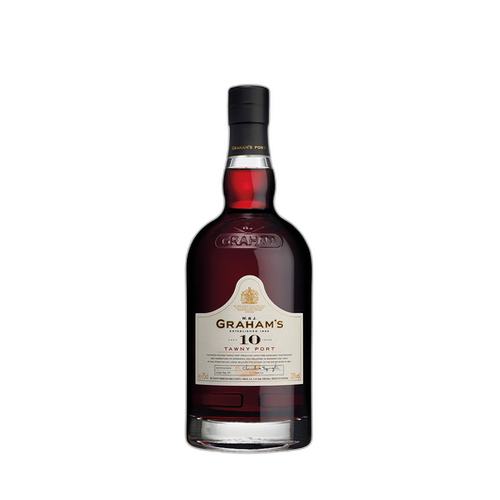
The contrast is striking when tasted side by side. Pour a glass of Graham's 10 Year Old Tawny next to a Reserve Ruby and the difference is immediately apparent: where ruby is all vibrant, youthful energy, tawny is contemplative and layered.
Serving Differences
Tawny port benefits from being served slightly cooler than ruby, at 12 to 14°C versus 14 to 16°C. The chill lifts tawny's freshness and prevents the sweetness from becoming cloying. Neither style requires decanting — both are filtered before bottling (unlike stage port). Tawny also keeps significantly longer after opening: 4 to 6 weeks for a 10 Year Old Tawny versus 2 to 3 weeks for ruby, because tawny's oxidative aging makes it more resilient to further air exposure.
Food Pairing
The different flavor profiles lead to different ideal food pairings:
- Ruby port excels with dark chocolate, berry desserts, blue cheese, and rich chocolate cake
- Tawny port shines with nut-based desserts, caramel, crème brûlée, apple tart, dried fruit and nut platters, and hard aged cheeses
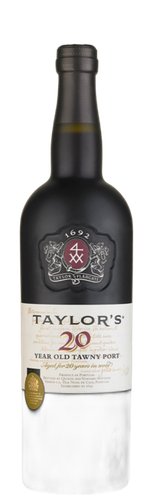
Taylor's 20 Year Old Tawny with a wedge of aged Comté is a revelation, while a good ruby port with a flourless chocolate cake is equally memorable.
Price Comparison
Basic ruby port is the most affordable style, typically $10 to $15. Reserve ruby runs $15 to $25. Tawny port is priced by its age designation: 10 Year Old Tawny ranges from $20 to $35, 20 Year Old from $35 to $60, 30 Year Old from $55 to $100, and 40 Year Old from $80 to $150 and beyond. The price difference reflects the dramatically longer aging period and the cost of holding wine in barrel for decades.
When to Choose Each
- Choose ruby when you want bold, fruity character; when pairing with chocolate; for cocktails; for everyday casual drinking; when you are new to port
- Choose tawny when you want complexity and elegance; for cheese courses; for contemplative after-dinner sipping; when serving guests who appreciate fine wine; for a step up from ruby
Neither style is objectively better than the other. They are simply different expressions of the same tradition, and the best port drinkers appreciate both. A well-stocked port collection includes examples of each.
Featured Wines
 Tawny
TawnyGraham's 10 Year Old Tawny Port
The best gateway into aged tawny port, delivering complexity and balance that punch well above its price.
 Tawny
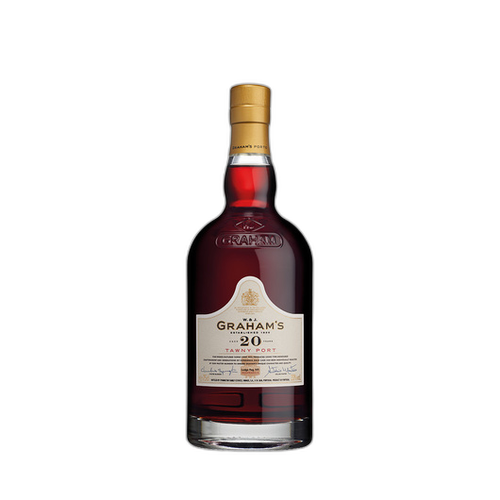
TawnyGraham's 20 Year Old Tawny Port
The quintessential 20-year tawny, balancing Graham's signature richness with two decades of layered, nutty complexity.
 Tawny
TawnyTaylor's 20 Year Old Tawny Port
Taylor's house signature — that distinctive dry elegance — elevates this 20-year tawny into a class of rare refinement.