How Port Wine Is Made: From Douro Valley to Glass
Discover the fascinating production process behind port wine, from the steep terraced vineyards of the Douro Valley to the aging lodges of Vila Nova de Gaia.
The Douro Valley: Where It All Begins
Port wine can only be made from grapes grown in the Douro Valley, a UNESCO World Heritage Site in northern Portugal. This ancient wine region, demarcated in 1756, stretches along the Douro River from the Spanish border to about 100 kilometers inland from Porto. The landscape is dramatic: steep hillsides carved into narrow terraces (socalcos) that cling to the schist and granite slopes, some at gradients so severe that mechanical harvesting is impossible and every bunch of grapes must be picked by hand.
The Douro Valley is divided into three sub-regions: the Baixo Corgo (lower, cooler, wetter), the Cima Corgo (the heartland, where most premium port grapes grow), and the Douro Superior (the hottest and driest, increasingly important for quality). The best vineyards are classified under a system called the beneficio, which assigns grades (from A to F) based on factors including altitude, yield, grape varieties, soil type, exposure, and vine age.
The Grape Varieties
Over 80 grape varieties are permitted for port production, but five dominate and are considered the finest:
- Touriga Nacional: The undisputed king of port grapes. Low-yielding, intensely concentrated, with deep color, complex aromatics (violets, dark berries), and fine tannin structure. Found in every top port blend.
- Touriga Franca: The most widely planted port variety. Reliable, aromatic, and contributing elegance and floral notes to the blend. The backbone of many ports.
- Tinta Roriz (Tempranillo): Adds structure, cherry fruit, and spice. The same grape as Spain's Tempranillo, but expressing quite differently in the Douro's heat.
- Tinta Barroca: Soft, fruity, and early-ripening. Contributes roundness and approachable fruit character to blends.
- Tinto Cão: Low-yielding and increasingly rare, but highly valued for its finesse, fresh acidity, and aging potential. Adds longevity to the finest blends.
Harvest and Crushing
The harvest (vindima) takes place in September and October, when temperatures in the Douro can still exceed 40°C. Many top estates still harvest entirely by hand, sorting grapes in the vineyard to ensure only the best fruit reaches the winery. At the finest quintas (estates), the grapes are carried downhill in small crates to prevent crushing before they arrive at the lagares.
The traditional method of crushing is foot-treading in granite lagares — shallow, open stone troughs where teams of workers march back and forth for hours, gently but thoroughly extracting color, flavor, and tannin from the grape skins. This method, still used by houses like Taylor's, Graham's, and Fonseca for their finest wines, is considered superior to mechanical alternatives because the human foot applies just the right amount of pressure to extract optimally without crushing bitter seeds. Many producers now use robotic lagares that mimic foot-treading for their standard wines, while reserving traditional treading for top cuvees.
Fortification: The Heart of Port
Fortification is what transforms Douro wine into port. After two to three days of fermentation, when roughly half of the grape sugar has been converted to alcohol (bringing the must to about 6-8% ABV), a neutral grape spirit (aguardente) at 77% ABV is added in a ratio of approximately one part spirit to four parts wine. This sudden infusion of alcohol kills the yeast, halting fermentation instantly and preserving the remaining natural grape sugar. The result is a wine of approximately 19-22% ABV with significant residual sweetness.
The timing of fortification is critical and one of the winemaker's most important decisions. Fortify too early and the wine will be very sweet but lack complexity; too late and it will be drier with less fruit concentration. The best winemakers taste the fermenting must constantly during this critical window, waiting for exactly the right moment to add the spirit.
Aging: Where Styles Diverge
After fortification, all port wine rests through the winter at the quintas in the Douro Valley. In the spring, the young wine is typically transported to the lodges (armazéns) in Vila Nova de Gaia, across the river from Porto, where the cooler, more humid climate provides ideal conditions for long-term aging. It is here that the different port styles are born:
- Ruby port: Aged 2-3 years in large vats or tanks, preserving fruit and color
- Tawny port: Aged 10-40+ years in small 550-liter pipes, allowing gradual oxidation
- LBV: Aged 4-6 years in large vats from a single vintage
- Vintage port: Aged 2 years in large vats, then bottled unfiltered for decades of bottle aging
- White port: Fermented from white grapes, aged in steel or wood depending on style
Blending and Bottling
Blending is one of the great arts of port production. Master blenders at houses like Graham's and Dow's maintain consistency across releases by combining wines from different vineyards, vintages, and barrel lots. For aged tawny, the blender's task is to create a wine that matches the target age profile — a 20 Year Old Tawny must taste like a 20 Year Old Tawny, year after year, even as the component wines change. This requires extraordinary palate memory and experience, often passed down through generations.
Before bottling, most port styles are filtered (ruby, tawny, LBV) or fined to achieve clarity. Vintage port and crusted port are the notable exceptions, bottled unfiltered to allow continued development in the bottle. Each bottle is sealed with a driven cork (for ruby, tawny, white, rosé, and filtered LBV) or a traditional long cork (for stage port and unfiltered LBV) that allows minute oxygen exchange during extended bottle aging.
Featured Wines
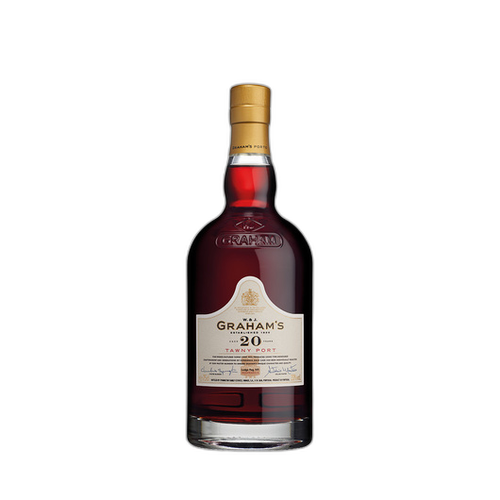 Tawny
TawnyGraham's 20 Year Old Tawny Port
The quintessential 20-year tawny, balancing Graham's signature richness with two decades of layered, nutty complexity.
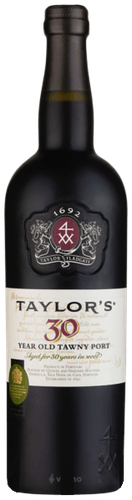 Tawny
TawnyTaylor's 30 Year Old Tawny Port
Taylor's formidable structure survives 30 years of aging intact, producing a tawny of rare intensity and intellectual depth.
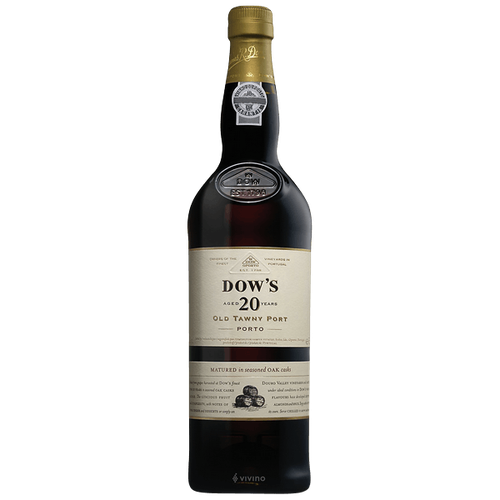 Tawny
TawnyDow's 20 Year Old Tawny Port
The driest of the great 20-year tawnies, offering a sophisticated alternative for those who find most ports too sweet.