Douro Valley Guide: The Home of Port Wine
Explore Portugal's Douro Valley, a UNESCO World Heritage Site and the birthplace of port wine. History, terroir, climate, top quintas, and essential visiting information.
A Region Like No Other
The Douro Valley is one of the most spectacular wine regions on Earth. Stretching 100 kilometers along the Douro River from the Spanish border toward the city of Porto, the valley is a landscape of almost impossible beauty: steep hillsides carved into narrow terraces, ancient olive and almond trees, whitewashed quintas (estates) perched above the river, and vines clinging to schist slopes at gradients that seem to defy agriculture itself. It is a region that has been shaped by human effort for over 2,000 years, and in 2001 it was recognized as a UNESCO World Heritage Site — a living cultural landscape of outstanding universal value.
The Douro is also the world's oldest demarcated wine region. In 1756, the Marquis of Pombal established formal boundaries for port wine production, predating Bordeaux's classification by nearly a century. This early regulation ensured the quality and authenticity of Douro wines and laid the foundation for the appellation systems used worldwide today.
The Three Sub-Regions
Baixo Corgo (Lower Corgo)
The westernmost sub-region, closest to Porto, is the coolest and wettest part of the Douro. Rainfall can reach 900mm per year, and temperatures are moderated by Atlantic influence. The Baixo Corgo produces large volumes of wine, including much of the fruit for basic ruby and tawny port. While less prestigious than its neighbors, the sub-region contributes freshness and acidity to many blends and is home to some respected quintas.
Cima Corgo (Upper Corgo)
The heartland of premium port production. Centered around the town of Pinho, Cima Corgo is hotter and drier than the Baixo Corgo, with rainfall dropping below 600mm. The famous quintas that supply fruit for the greatest ports are concentrated here: Quinta do Noval, Quinta do Vesuvio, Quinta da Cavadinha (Warre's), Quinta dos Malvedos (Graham's), and Quinta do Bomfim (Dow's). The combination of heat, low rainfall, and poor schist soils forces the vines to root deeply and produce small, intensely concentrated berries.
Douro Superior (Upper Douro)
The easternmost sub-region, stretching to the Spanish border, is the hottest and driest part of the Douro, with some areas receiving less than 400mm of rain per year. Historically less planted than the Cima Corgo due to extreme conditions, the Douro Superior has become increasingly important as climate change pushes producers to seek cooler, higher-altitude vineyard sites. Quinta do Vesuvio, owned by the Symington family (Graham's, Dow's, Warre's), is the most famous estate here.
Terroir: Soil, Climate, and Altitude
The Douro Valley's terroir is defined by three factors: schist, heat, and altitude. The predominant soil is schist — a metamorphic rock that fractures into thin, layered sheets, allowing vine roots to penetrate deep into the hillside in search of water. This poor, rocky soil limits vine vigor and produces small berries with concentrated flavors and color, exactly what is needed for great port wine.
The climate is continental, shielded from Atlantic weather by the Marao and Montemuro mountain ranges. Summers are brutally hot, with temperatures regularly exceeding 40°C at lower elevations. Winters are cold and wet. The extreme heat and dryness of summer, combined with the poor soils, create conditions of intense viticultural stress that concentrate flavors in the grapes but make farming enormously challenging.
Altitude provides crucial relief from the heat. The best vineyards are typically planted between 100 and 500 meters above sea level. Higher sites benefit from cooler temperatures and longer growing seasons, producing wines with greater finesse and aromatic complexity, while lower, hotter sites yield wines of power and concentration. The interplay between altitude, aspect (south-facing slopes get more heat), and soil composition creates an extraordinary mosaic of microclimates.
The Terraces
The defining visual feature of the Douro is its terraced hillsides. Because the slopes are too steep for conventional vineyard cultivation — gradients of 30 to 60 degrees are common — the land must be reshaped into narrow stepped terraces to prevent erosion and provide flat surfaces for planting. Three main terrace systems exist:
- Socalcos: Traditional pre-phylloxera terraces, supported by dry stone walls. Beautiful but labor-intensive and expensive to maintain.
- Patamares: Wider, bulldozed terraces without stone walls, introduced in the 1970s. More economical but cause some soil erosion issues.
- Vinha ao alto: Rows planted vertically up the slope rather than on terraces. Only possible on slopes below about 30 degrees. Allows mechanization but risks erosion.
Visiting the Douro Valley
Getting There
The Douro Valley is about 120 kilometers east of Porto. The most scenic approach is by train on the Linha do Douro (Douro Line), which follows the river from Porto's Campanha station to Pocinho. The journey takes about 3.5 hours and is considered one of the most beautiful rail routes in Europe. Driving from Porto takes about 1.5 to 2 hours via the A4 motorway.
When to Visit
- Spring (April-May): Mild weather, wildflowers, fewer crowds. Vines are leafing out.
- Summer (June-August): Hot (often above 40°C). Dramatic landscapes but challenging heat. Book accommodation well in advance.
- Harvest (September-October): The most exciting time to visit. The vindima is in full swing, with grapes being picked and treaded. Many quintas offer harvest experiences.
- Autumn (November): Cooler weather, autumn colors, quiet. Many quintas close for the season.
What to Do
- Quinta visits and tastings: Many estates offer tours and tastings, from casual drop-ins to multi-course food-and-wine experiences. Book in advance for the most popular quintas.
- River cruises: Day cruises and multi-day cruises along the Douro offer stunning views and stops at estates along the way.
- Vila Nova de Gaia lodges: In Porto itself, the historic port lodges across the river in Gaia offer tours, tastings, and deep dives into the aging and blending process. Taylor's, Graham's, and Sandeman all have excellent visitor experiences.
- Pinho: A small town in the heart of the Cima Corgo, perfect as a base for exploring the valley. Home to excellent restaurants and close to many top quintas.
Where to Stay
The Douro has experienced a hospitality boom in recent years. Options range from luxury wine hotels (Six Senses Douro Valley, The Vintage House in Pinho) to charming rural guesthouses (quintas offering rooms). Booking ahead is essential during harvest season. For budget travelers, Peso da Regua and Pinho both have affordable accommodation options and excellent rail connections.
Featured Wines
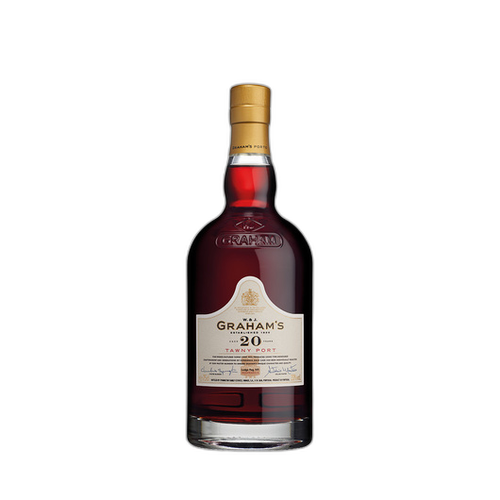 Tawny
TawnyGraham's 20 Year Old Tawny Port
The quintessential 20-year tawny, balancing Graham's signature richness with two decades of layered, nutty complexity.
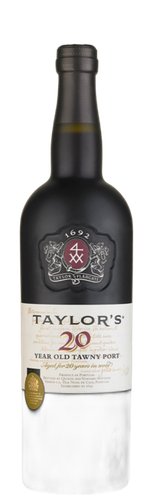 Tawny
TawnyTaylor's 20 Year Old Tawny Port
Taylor's house signature — that distinctive dry elegance — elevates this 20-year tawny into a class of rare refinement.
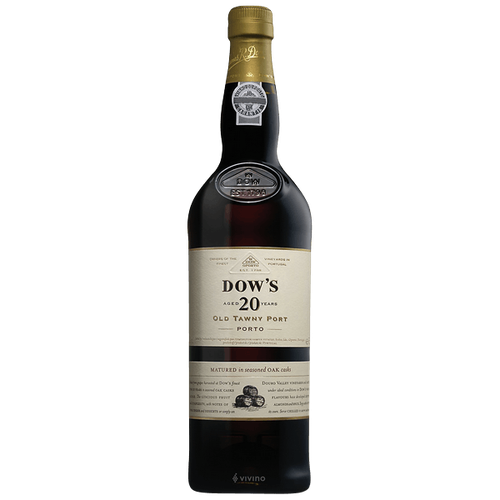 Tawny
TawnyDow's 20 Year Old Tawny Port
The driest of the great 20-year tawnies, offering a sophisticated alternative for those who find most ports too sweet.