Port Wine Vintage Chart: Declared Years and Ratings
A comprehensive guide to declared port wine vintages, with ratings by house, aging recommendations, and advice on which years are drinking well now.
Understanding Vintage Declarations
A vintage declaration is among the most significant events in the port wine world. When a port house declares a vintage, it is making a public statement that the wines of that harvest are of exceptional quality, worthy of being bottled as single-vintage port. Each house makes this decision independently, typically 18 to 24 months after the harvest, which means not all houses declare in the same years. A 'universally declared' vintage is one where the vast majority of major houses agree on the quality, and these years tend to produce the most celebrated and long-lived wines.
On average, about three to four vintages are widely declared per decade, though some decades have seen as few as two and others as many as five. The decision is influenced not only by grape quality but also by commercial considerations — a house may choose not to declare even in an excellent year if it has substantial stock from a recent declaration.
Major Declared Vintages
The Legends (Pre-1980)
- 1963: One of the greatest vintages ever declared. Magnificent wines from nearly every house, most now fully mature but the best still showing beautifully. Taylor's 1963 is considered one of the finest ports ever made.
- 1966: A very fine year, slightly overshadowed by 1963. Elegant, balanced wines. Many are drinking superbly now.
- 1970: Widely declared, producing rich, powerful wines. Slightly more variable than 1963 or 1966, but the best are outstanding. Good value at auction.
- 1977: Excellent vintage, classic in style, with firm structure and great depth. Many houses produced outstanding wines. Now approaching peak maturity.
The Modern Classics (1980-2000)
- 1980: Not universally declared. A lighter, more elegant style than the surrounding vintages.
- 1983: A fine vintage, producing rich and powerful wines. Now drinking beautifully. Dow's and Graham's were standouts.
- 1985: Widely declared and consistently excellent. Ripe, approachable wines that have aged gracefully. Taylor's and Fonseca are particularly fine.
- 1991: Selectively declared. Some excellent wines from houses that did declare, particularly Dow's and Niepoort.
- 1994: Widely declared and considered one of the finest modern vintages. Deep, concentrated, structured wines that are now entering their prime. Taylor's, Fonseca, and Graham's all made exceptional wines.
- 1997: Selectively declared. A riper, more forward style than 1994. Fonseca 1997 is outstanding.
- 2000: Widely declared for the millennium. Rich, powerful wines with masses of fruit. Now beginning to show complexity. Graham's and Taylor's excelled.
The 21st Century (2001-Present)
- 2003: Widely declared. A hot year producing rich, ripe, opulent wines. Approachable relatively early for vintage port. Taylor's and Dow's are standouts.
- 2007: Widely declared and considered exceptional. Combines power with elegance and structure. These wines have enormous aging potential and are just beginning to open up. Graham's 2007 is superb.
- 2009: Selectively declared. Some outstanding wines from houses that chose to declare.
- 2011: Widely declared. Excellent, classic vintage with depth and structure. More approachable than 2007 in youth. Dow's and Graham's are particularly fine.
- 2016: Widely declared. Concentrated, powerful wines from a hot year. Early assessments are extremely positive. These need significant cellaring.
- 2017: Selectively declared, partly due to the devastating Douro wildfires. Some houses produced excellent wines despite the challenges.
Reading the Vintage Chart
When using a vintage chart, keep these points in mind:
- Scores are generalizations: A great producer can make outstanding wine in a merely 'good' vintage, and a mediocre producer can disappoint in a legendary year. Always consider the specific house alongside the vintage rating.
- Drinking windows are estimates: Storage conditions dramatically affect how quickly a wine matures. Well-stored wines may drink well for decades longer than poorly stored examples of the same vintage.
- Personal preference matters: Some drinkers prefer the youthful power of young stage port, while others wait for the silky complexity of full maturity. There is no single 'right' time to open a bottle.
Vintages Drinking Well Now (2026)
If you are looking for stage port to enjoy now rather than cellar, focus on these vintages:
- 1983: Fully mature, elegant, complex. Beautiful drinking now.
- 1985: Approaching peak maturity. Rich and rewarding.
- 1994: Entering its prime. The top wines are magnificent.
- 1997: Forward style, drinking well now with plenty of life ahead.
- 2000: Rich and approachable, beginning to show secondary complexity.
- 2003: Opulent and ripe, more accessible than many vintages at this age.
For longer-term cellaring, the 2007, 2011, and 2016 vintages all offer outstanding potential but need patience — ideally another 5 to 15 years of development.
Buying Advice
When buying vintage port, consider the relationship between vintage quality, producer reputation, and price. Great wines from less fashionable vintages (like 1983 or 1997) often represent better value than the most hyped years. Similarly, second-tier houses can offer excellent wine at lower prices than the marquee names. The port market is generally less speculative than Bordeaux or Burgundy, meaning genuine bargains still exist for patient, informed buyers.
Featured Wines
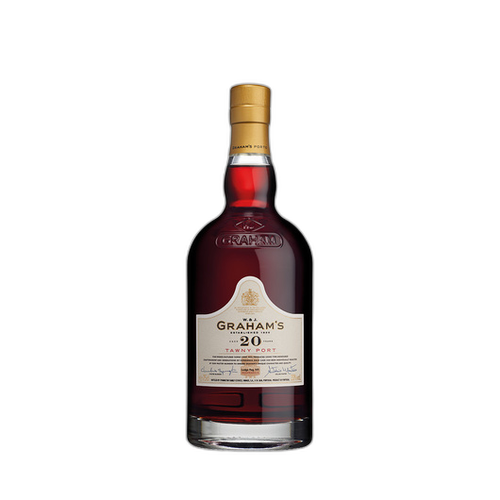 Tawny
TawnyGraham's 20 Year Old Tawny Port
The quintessential 20-year tawny, balancing Graham's signature richness with two decades of layered, nutty complexity.
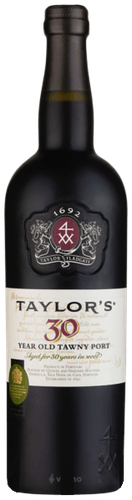 Tawny
TawnyTaylor's 30 Year Old Tawny Port
Taylor's formidable structure survives 30 years of aging intact, producing a tawny of rare intensity and intellectual depth.
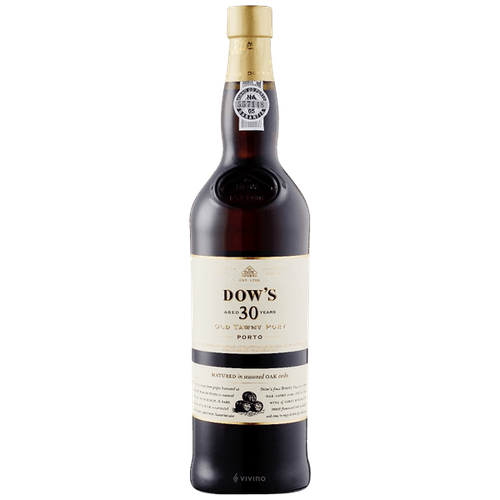 Tawny
TawnyDow's 30 Year Old Tawny Port
Dow's dry austerity, concentrated by 30 years of aging, produces a tawny of startling depth and intellectual reward.